Pura Vida View

LONDON

London attracts around 30 million visitors from around the world every year and is the third most visited city in the world. It is known for it's rich history, world-class museums, city life, beautiful parks, double-decker buses, red phone booths, royal monuments, old beautiful cathedrals and so much more.
A few years ago I created this jam-packed itinerary for our first visit to London

A Few Facts
Language: English is the official language however, one of the great strengths of London is it's diversity, over 300 languages are spoken in this multiculturalism city.
Currency: The official currency of the United Kingdom is the pound. One pound, £, GBP, is divided into 100 pence. (100p = £1) There are four notes in circulation; they come in denominations of £5, £10, £20 and £50. With the changing of the Monarch, you will find currency with both Queen Elizabeth and Charles lll
Transportation: The main transportation in London is the rapid-transit London Underground, or what the locals call, "the Tube." Fun Fact: over half of the London Underground runs above ground. The Tube is by far the easiest way to get around the city, you can even take it from the airport to the city center. You can also take the bus, drive a car, or on sunny days ride a bike.
Safety: London is safe, but as with any large city, it is important to take precautions and stay aware. If you need to reach the police dial 999 or 101 for non-emergencies. Always keep your bags close to you, don't walk alone at night, try to stay in well lit areas, take note of your surroundings, don't accept drinks from strangers.
Weather: It is a typically very mild year round. It does not get too hot in the summer and winters can be cold but not extremely cold. The average daytime temperature in January (the height of winter) is 46°F and only 73°F in July (the height of summer). You will find that most homes do not even have central AC, but all will have heaters. It is often called the rainy city, however it actually sees less rain than many other cities and doesn't even rank in the top 20 rainiest cities in Europe, but still pack that umbrella just in case, November and August are typically the rainiest.
Best Time To Visit: The summer months are often considered the best months to visit London as the temperatures are very mild during May-July. However, it is less crowded if you visit during the shoulder season from Mid-September through November and also March-April. The city comes to life and is quite festive around the holidays in November and December. So basically every month is a great time to visit this magnificent city!
Getting Around the City
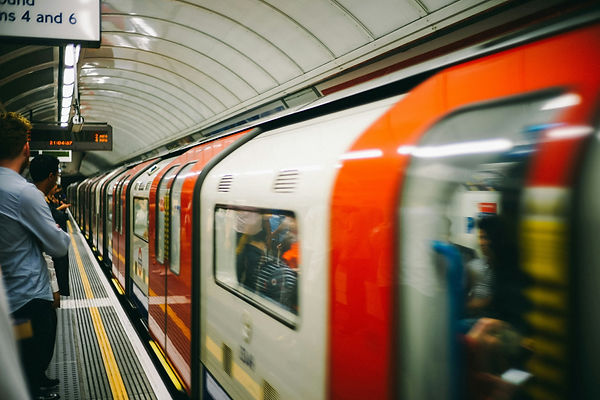
As I mentioned, the "Tube," is the most popular form of transportation in London. So you might be curious how do you get your ticket and easily get around the city. Unless you are planning to only take one trip on the tube or red bus, you should consider looking into using either an Oyster card, contactless payment, or a prepaid Travelcard and avoid paying for single ride tickets which are more than double the price of the same fare with an Oyster Card or London Travelcard.

Best Neighborhoods and areas in London
London is divided into 32 boroughs plus the city of London. Each neighborhood is unique and depending on your plans some may be more convenient or desirable than others, but everything is usually a short bus or tube ride away. On our first visit to London, when we first started looking at where to stay I was a bit overwhelmed by the options. We wanted an Airbnb so I started looking at what best accommodated our group and then researched the neighborhoods. We ended up in a quiet neighborhood just a 2 minute walk to Hyde Park. Which was perfect for our group, but if you are looking for something a little more central and lively you might want to consider Soho which is within walking distance to many major tourist attractions. We stayed in Soho on our second visit and loved the area. Below is a list of popular London neighborhoods and the pros and cons to consider.